

 中文简体
中文简体A magnetventil er en elektromekanisk betjent ventil som kontrollerer strømmen av væske eller gass gjennom et rør ved å åpne eller lukke som svar på et elektrisk signal. Den brukes der det er behov for automatisert, ekstern eller nøyaktig tidsbestemt væskekontroll – fra omvendt osmose (RO) vannrensesystemer og vanningskontrollere til industrimaskiner, medisinsk utstyr og VVS-utstyr.
Kjernefordelen med en magnetventil er hastighet og pålitelighet: den kan åpne eller lukke på under 30 millisekunder, operere tusenvis av sykluser uten mekanisk slitasje og kontrolleres av et hvilket som helst elektrisk lavspentsignal – inkludert 24V DC-signaler som er standard i de fleste vannbehandlings- og bygningsautomatiseringssystemer. Denne artikkelen dekker hvordan magnetventiler fungerer, deres spesifikke roller i RO-systemer, forskjellene mellom plast- og metallventilhus, og hvordan du velger riktig 24V DC magnetventil for søknaden din.
Hvordan en magnetventil fungerer
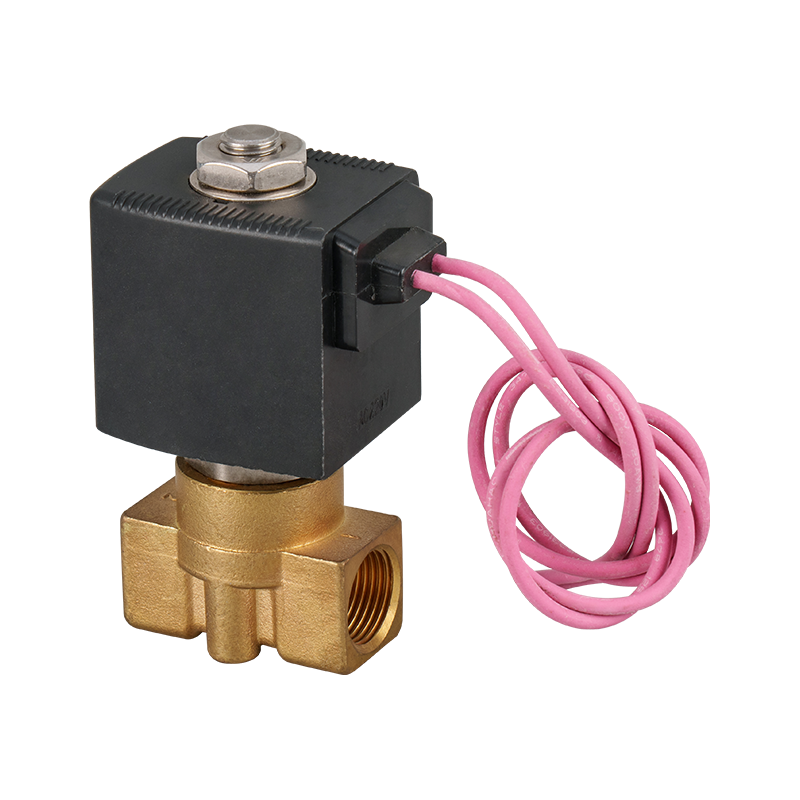
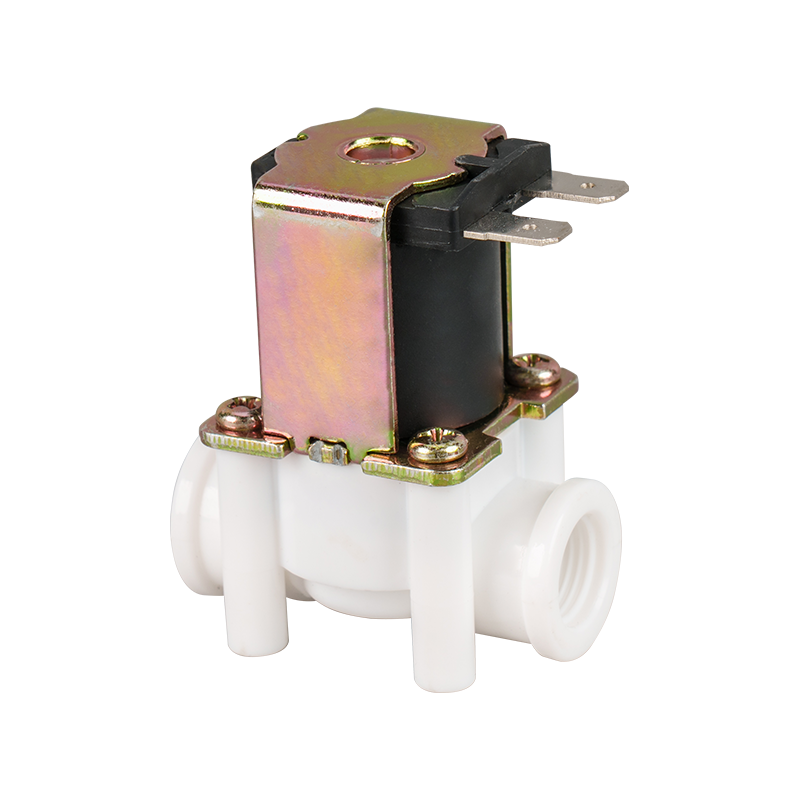
En magnetventil består av to hovedkomponenter: en magnetspole (en elektromagnetisk spole viklet rundt et metallrør) og et ventilhus som inneholder et bevegelig stempel eller pilotmekanisme. Når elektrisk strøm flyter gjennom spolen, genererer den et magnetfelt som trekker stempelet oppover mot en fjær, åpner ventilåpningen og lar væske passere. Når strømmen kuttes, returnerer fjæren stempelet til lukket stilling, og tetter strømningsbanen.
Denne mekanismen definerer det som kalles a normalt lukket (NC) magnetventil — stengt i hvile, åpen når den er tilkoblet. A normalt åpen (NO) varianten gjør det motsatte: den forblir åpen uten strøm og lukkes når den aktiveres. De fleste magnetventiler som brukes i RO-systemer og vannapplikasjoner er normalt lukket, noe som sikrer at vannstrømmen stopper automatisk under et strømbrudd.
Direktevirkende vs. pilotbetjente ventiler
Det er to grunnleggende driftsdesign, hver egnet til forskjellige trykk- og strømningsforhold:
- Direkteskuespill: Solenoidstempelet åpner og lukker hovedåpningen direkte. Fungerer med null trykkdifferensial - egnet for lavtrykks- eller gravitasjonsmatede systemer. Typisk åpningsstørrelse: 0,5–6 mm.
- Pilotdrevet (indirekte virkende): Solenoiden åpner en liten pilotåpning først; linjetrykk aktiverer deretter hovedmembranen. Krever et minimum innløpstrykk (typisk 0,5–1 bar), men kan kontrollere mye større strømningsvolumer med en liten spole. Vanlig i netttrykkvannforsyningsapplikasjoner.
- Halvdirekte (assistert løft): Kombinerer begge mekanismene - fungerer ved null trykk som en direktevirkende ventil, men oppnår strømningskapasiteten til et pilotdrevet design. Brukes ofte i RO og vannrensesystemer hvor innløpstrykket kan variere.
Hva brukes magnetventiler til: Hovedapplikasjoner
Magnetventiler vises i praktisk talt alle bransjer som flytter væsker eller gasser gjennom rør. Nedenfor er de viktigste applikasjonskategoriene, med spesifikke eksempler.
| Bransje / Anvendelse | Spesifikk bruk | Typisk spenning | Materiale til ventilhus |
|---|---|---|---|
| Vannrensing (RO) | Matevanninntak, automatisk avstenging | 24V DC | Plast (PA/POM) |
| Vanning | Sonekontroll, drypptiming | 24V AC/DC | Plast eller messing |
| HVAC | Kontroll av kjølemiddelstrøm | 24V AC | Messing eller rustfritt |
| Medisinsk utstyr | Oksygen/gassdosering, dialyse | 12V / 24V DC | Rustfritt stål |
| Industriell automasjon | Pneumatisk sylinderaktivering | 24V DC / 110V AC | Aluminium eller messing |
| Mat og drikke | CIP rengjøring, doseringssystemer | 24V DC | Rustfritt stål (316L) |
| Automotive | Drivstoffinnsprøytning, girkasse | 12V DC | Aluminium eller messing |
Magnetventil for RO-systemer: Rolle, krav og valg
I et vannrensesystem med omvendt osmose er magnetventilen en av de mest operasjonskritiske komponentene. Den fungerer som den automatiske innløpskontrollventilen som åpnes for å tillate matevann inn i membranmodulen når lagringstanken krever vann og lukkes for å stoppe strømmen når tanken er full eller systemet slås av.
Hvor magnetventilen sitter i et RO-system
Et standard RO-system for undervask med 4–6 filtreringstrinn bruker magnetventilen ved innløpsledningen for matevann, før forfiltrene og membranen. Den mottar sitt åpne/lukke-signal fra flottørventilen eller trykkbryteren på lagertanken. Når tanktrykket faller under ca 40–60 PSI (settpunktet varierer etter system), solenoiden åpnes; når tanken når måltrykket, lukkes den. Dette forhindrer at høytrykkspumpen og membranen går tørr eller kontinuerlig.
Hvorfor 24V DC er standarden for RO-magnetventiler
De fleste bolig- og lette kommersielle RO-systemer betjener sin kontrollelektronikk på 24V DC . Dette spenningsnivået er valgt av flere praktiske årsaker:
- Det er trygt under 50V-terskelen som krever ekstra elektrisk sikkerhetssertifisering i de fleste jurisdiksjoner, noe som forenkler produktoverholdelse.
- 24V DC-strømforsyninger er kompakte og rimelige, og kan enkelt plasseres i RO-systemets kontrollmodul.
- Den er kompatibel med mikrokontroller og reléutganger som brukes i smarte RO-kontrollere uten å kreve ytterligere signalkonvertering.
- 24V DC solenoidspoler er tilgjengelige med lavt strømforbruk - vanligvis 3–8 watt for vannventiler i ¼" til ½" portstørrelsesområde – minimerer varmeoppbygging under lengre perioder med strøm.
Nøkkelspesifikasjoner for en RO-magnetventil
- Portstørrelse: Typisk ¼" eller 3/8" for bolig RO; opptil ½" for kommersielle enheter.
- Driftstrykk: 0,02–0,8 MPa (0,2–8 bar) for de fleste matvannsforhold i boliger.
- Væskekompatibilitet: Må vurderes for drikkevann — NSF/ANSI 61-sertifisering bekrefter at materialer ikke lekker ut forurensninger til drikkevann.
- Ventiltype: Normalt lukket (NC) — feilsikker oppførsel betyr at vannet stopper automatisk hvis strømmen går.
- Driftssyklus: Kontinuerlig drift (100 %) klassifisering er foretrukket, siden ventilen kan forbli aktivert i lengre perioder under sakte tankfylling.
Magnetventiler i plast: Når og hvorfor velge dem
Plastventil kropper – vanligvis laget av nylon (PA66), polypropylen (PP), polyoksymetylen (POM/Acetal) eller PVDF – har fortrengt messing og rustfritt stål i mange vann- og kjemiske håndteringsapplikasjoner. For RO-systemer er plastventiler det dominerende valget på grunn av deres korrosjonsimmunitet, lavere kostnader og kompatibilitet med renset vann.
Fordeler med plastventilhus
- Korrosjonsbestandighet: Plast ruster ikke eller utvikler mineralavleiringer internt, noe som er kritisk for RO-gjennomtrengevann og demineralisert vann som aggressivt utvasker ioner fra metalloverflater.
- Ingen metallionforurensning: Messingventiler kan lekke spor av bly, sink og kobber til vann - en betydelig bekymring for drikkevannsapplikasjoner. NSF-sertifiserte plastventiler eliminerer denne risikoen fullstendig.
- Lavere vekt: En ¼" magnetventil i plast veier omtrent 60–90 g mot 200–350 g for en tilsvarende messingventil – relevant for panelmonterte eller mobile RO-enheter.
- Kjemisk kompatibilitet: PP- og PVDF-plastventiler håndterer aggressive syrer, alkalier og oksidasjonsmidler som vil korrodere messing eller rustfritt stål, noe som gjør dem til standard i kjemiske doserings- og vannbehandlingssystemer.
- Kostnad: Magnetventiler i plast for RO-applikasjoner er vanligvis forhandlere på 30–60 % mindre enn tilsvarende messingmodeller, med ubetydelig ytelsesforskjell i lavtrykksvannservice.
Begrensninger for plastventiler
- De fleste plastventilhus er vurdert til maksimalt 0,8–1,0 MPa (8–10 bar) arbeidstrykk – tilstrekkelig for vannforsyning og RO-applikasjoner, men utilstrekkelig for høytrykks industrielle prosesser over 10 bar.
- Driftstemperaturområdet er begrenset. Standard nylonventiler er klassifisert til 60°C; PTFE-sittende ventiler strekker seg til 90°C. For damp eller høytemperaturvæsker er det fortsatt nødvendig med metallventiler.
- Plastlegemer er mer utsatt for mekaniske støtskader under installasjon og vedlikehold sammenlignet med hus i messing eller rustfritt stål.
24V DC magnetventil: Tekniske detaljer og valgguide
24V DC-magnetventilen er den mest spesifiserte ventilspenningen i vannbehandling, bygningsautomasjon og lett industrielle kontrollapplikasjoner. Å velge riktig enhet krever at fem kjerneparametere samsvarer med systemkravene dine.
| Parameter | Hva det definerer | Typisk rekkevidde (vann / RO) | Utvalgstips |
|---|---|---|---|
| Spoleeffekt (watt) | Varme som genereres under drift | 3–8W | Lavere effekt = kjølerbatteri for kontinuerlig drift |
| Åpning / CV-verdi | Strømningskapasitet | Cv 0,3–1,5 for ¼" til ½" | Tilpass til nødvendig strømningshastighet ved driftstrykk |
| Trykkområde | Min/maks innløpstrykk | 0–8 bar | Direktevirkende nødvendig hvis min trykk er 0 bar |
| Tetning / membranmateriale | Væskekompatibilitet og temperaturvurdering | EPDM eller FKM for vann | EPDM for kaldt vann; FKM for varmt eller klorert |
| Responstid | Åpnings-/lukkehastighet | 10–100 ms | Rask respons nødvendig for høysyklusdoseringsapplikasjoner |
24V DC vs. 24V AC: En kritisk forskjell
24V AC og 24V DC magnetventilspoler er ikke utskiftbare til tross for at de deler samme nominelle spenning. Installering av en DC-spole på en AC-forsyning – eller omvendt – vil skade spolen i løpet av minutter . AC-spoler bruker en skyggering for å eliminere 50/60Hz strømvekslende buzz; DC-spoler gjør det ikke. Kontroller alltid strømforsyningens utgangstype før du bestiller en ny spole eller ventil.
Vanlige feilmoduser og hvordan du feilsøker en magnetventil
Magnetventiler er svært pålitelige, men de svikter - oftest på grunn av forurensning, forsegling av forsegling eller utbrent spiral. Å forstå feilmodusene gir raskere diagnose uten å erstatte hele enheten.
- Ventilen åpner ikke (ingen strømning når den er aktivert): Kontroller spolespenningen på terminalene — bekreft at 24V DC er tilstede. Hvis spenningen bekreftes, kan spolen bli utbrent (mål motstand; en sunn 24V DC-spole viser vanligvis 20–80Ω). Hvis spolen er intakt, kan stempelet sitte fast på grunn av mineralbelegg eller rusk - demonter og rengjør åpningen og stempelkammeret.
- Ventilen lukker ikke (kontinuerlig lekkasje): Oftest forårsaket av rusk som sitter fast på ventilsetet som forhindrer en full tetning. Skyll ledningen og kjør ventilen flere ganger. Hvis lekkasjen fortsetter, inspiser membranen eller tetningen for slitasje og skift ut hvis elastomeren viser sprekker eller deformasjoner.
- Ventilen summer eller vibrerer: På likestrømsventiler indikerer vibrasjoner under drift vanligvis at vekselstrøm har blitt tilført ved en feiltakelse. På AC-ventiler forårsaker en slitt eller skadet skyggering summing - skyggeringen er en liten kobber- eller aluminiumsinnsats og kan skiftes ut individuelt.
- Overoppheting av spole: En spole som blir for varm til å berøre under normal drift, er vanligvis underdimensjonert for kontinuerlig drift, eller spolens wattstyrke er for høy for omgivelsestemperaturen. Bytt ut med en lavwattsspole som er klassifisert for 100 % driftssyklus.
- Langsom respons eller delvis åpning: Vanlig i pilotstyrte ventiler når innløpstrykket faller under minste driftsterskel. Verifiser faktisk linjetrykk mot ventilens minimumstrykkspesifikasjon. Bytt til en direktevirkende eller semi-direkte ventil hvis lavtrykksforholdene er strukturelle.
Beste praksis for installasjon for magnetventiler i vannsystemer
Riktig installasjon forlenger magnetventilens levetid betydelig og forhindrer for tidlig feil. Følg disse retningslinjene for installasjon av vann eller RO-systemer:
- Installer en sil oppstrøms: Plasser en 100–200 mesh Y-sil eller inline-filter oppstrøms for magnetventilen. Partikler så små som 0,3 mm kan sette seg fast på ventilsetet og forårsake permanent lekkasje. Dette er den mest effektive måten å forhindre for tidlig ventilsvikt.
- Respekter flytretning: Alle magnetventiler har en strømningsretningspil på kroppen. Montering bakover på en pilotbetjent ventil vil hindre den i å fungere helt og kan skade membranen under omvendt trykk.
- Monter i riktig retning: De fleste magnetventiler er designet for å fungere med spolen vertikal (oppreist). Horisontal spolemontering er mulig for mange modeller, men sjekk produsentens spesifikasjoner - noen design krever vertikal montering for å sikre tyngdekraftsassistert stempelretur.
- Bruk PTFE-gjengetape på gjengeforbindelser: Påfør 2–3 omslag med PTFE-tape på hann-NPT- eller BSP-tråder. Ikke stram ventiler i plastkroppen for mye — håndfast pluss en kvart omdreining er det anbefalte dreiemomentet for PA66-hus for å unngå sprekkdannelser i innløps-/utløpsbossene.
- Kontroller spenningen før tilkobling: Mål strømforsyningens utgang med et multimeter før du kobler til spolen. Bekreft DC-polariteten hvis spolen har merket positive/negative terminaler. For AC-spoler er polariteten irrelevant, men spenningsnøyaktigheten er kritisk - en 10 % overspenning på en 24V DC-spole øker spolens temperatur betydelig og forkorter levetiden.
Velg mellom ventilhus i plast, messing og rustfritt stål
Riktig kroppsmateriale avhenger av væske, driftstrykk, temperatur og regulatoriske krav til applikasjonen din. Tabellen nedenfor oppsummerer beslutningsfaktorene:
| Kroppsmateriale | Maks trykk | Maks temperatur | Beste applikasjoner | Ikke anbefalt for |
|---|---|---|---|---|
| Plast (PA / POM) | 8–10 bar | 60°C | RO, drikkevann, vanning, lette kjemikalier | Høytrykks, høy temperatur, løsemidler |
| PVDF plast | 10 bar | 90°C | Aggressive syrer, ultrarent vann, halvleder | Miljøer med høy innvirkning |
| Messing | 25 bar | 90°C | VVS, trykkluft, generell vannforsyning | Renset vann, ammoniakk, acetylen |
| Rustfritt stål 304 | 30 bar | 120°C | Mat og drikke, damp, milde kjemikalier | Kloridrike eller saltholdige miljøer |
| Rustfritt stål 316L | 30 bar | 150°C | Sjøvann, medisinsk, aggressiv kjemisk tjeneste | Kostnadssensitive lavtrykksvannapplikasjoner |